

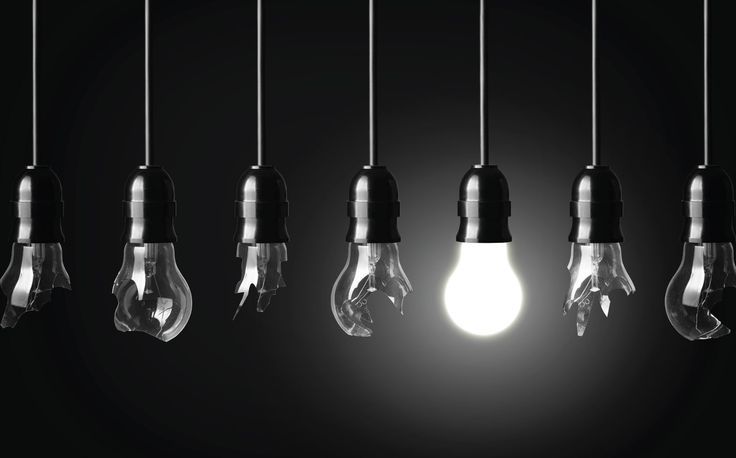
Most of the time, we don’t pay attention to the systems that run our lives.
Electricity, apps, internet networks, or the tools we use at work usually just fade into the background. They sit there quietly, powering our comfort and our creativity.
That changes the second they stop working.
It is in that sudden silence that you realise just how heavily your life relies on things you barely ever think about.
Growing up in Nigeria makes this lesson impossible to ignore. You don’t need a degree in infrastructure engineering to understand system fragility here. You just have to wait for NEPA to take the light. The fridge goes silent. The ceiling fan spins down to a halt. The WiFi signal vanishes. Just like that, you are staring at the reality that your daily routine is balanced on invisible wires.
But this isn’t really a story about electricity. It is a story about systems, dependence, and how we design things.
We Only Notice When It Breaks
It is funny how loud silence can be.
When the power cuts out in a Nigerian compound, the darkness is always followed by a familiar routine. Doors open. Neighbours step outside. Voices rise in collective frustration. The blackout becomes a strange moment of community where everyone is united by the same invisible failure.
You see that exact same pattern in digital products.
Nobody goes on social media to praise an app because it opened correctly. But the day a server crashes, users flood the timeline with screenshots and complaints. We only see reliability when it is gone.
Whether it is the national grid or a mobile app, a seamless experience is built on quiet consistency. Good systems stay invisible. Broken systems demand attention.
Old Foundations Can’t Handle New Demands
A lot of our infrastructure was built for a world that doesn’t exist anymore.
Aging power grids struggle to keep up with modern energy needs. In the same way, old product architectures buckle when designers keep stacking new features on top of outdated code.
Think of it like upgrading your generator, your inverter, and buying a massive new fridge, but refusing to change the flimsy wiring in the walls. Eventually, something is going to melt.
In the design world, this is the moment teams realize that no matter how many flashy features they ship, the user still feels the strain. Sometimes, real progress isn’t about decorating the surface. It is about digging up the foundation and starting over.
Innovation Needs a Ready System
There are neighborhoods in the world today that produce more solar energy during the day than they can actually use. Yet, they still face power instability at night. The problem isn’t a lack of energy. It is that the system wasn’t built to store and distribute that kind of flow.
Digital products face this same paradox. A brilliant redesign launches. Users rush in to try it out. Then the platform crashes.
It doesn’t fail because the idea was bad. It fails because the ecosystem behind it wasn’t prepared. Ideas don’t succeed just because they are innovative. They succeed because they fit into a system that can support them.
Every System Is Human
It is easy to write off system failures as technical glitches, but they are usually human problems. Policies, incentives, budgets, and habits are what actually determine reliability.
A product might fail not because the interface is ugly, but because the company rewarded the wrong outcomes. A power grid might crumble not because the engineers aren’t smart, but because maintaining it wasn’t considered profitable.
Designers love to obsess over pixels, but the truth is usually bigger than the screen. No product can survive misaligned incentives. No system thrives without clear human intentions behind it.
Design Is Emotional
There is a distinct emotion tied to the light going out. The sudden heat. The quiet. The waiting. It reveals just how much technology shapes our sense of safety and comfort.
Design works the same way. A confusing interface creates anxiety. A smooth one creates calm. A reliable system quietly supports your life without asking for credit.
The best tools are like steady electricity. They blend into your day so smoothly that you forget they are even there.
The grid is a network of wires, but it is also a network of people, policies, and behaviors.
Design is no different.
A product is never just a screen. It is a relationship between users, business goals, technology, and context. To design well, you have to think in systems. You have to understand not just what people see, but everything happening beneath the surface.
The Beauty of the Invisible
There is something poetic about a system that works so well you forget it exists.
Electricity. Water. Interfaces. Platforms.
The quiet ones, the ones that feel effortless, are the real masterpieces.
That is the challenge for anyone building anything, whether it is a national grid or a mobile app. The goal is to create systems so reliable, so human, and so thoughtfully designed that people don't have to think about them at all.
The highest compliment a system can receive is silence.